

Osteoporosis
General Information
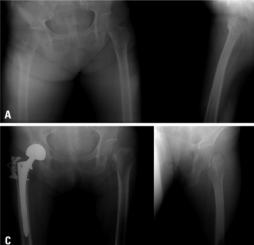
What is it?
Low bone mass density or bone porosity, due to rate of bone resorption outpacing deposition
Risk Factors: post-menopausal women, decreased androgens/estrogens, deficiencies in calcium/Vit D, family history, Asian women, hyperthyroidism, chemotherapeutic agents
Evaluation
Signs & Symptoms
- Compression fractures (~50% post-menopausal women will experience): specifically of the vertebrae, neck of femur/hip
- If affecting vertebrae: note loss of height/khyphosis
Imaging: DEXA (dual energy X-ray absorptiometry), ultrasound
- DEXA staging (via t-score)
- T-score -1 to -2.5: osteopenia
- T-score <-2.5: osteoporosis
Lab
- Thyroid hormones
- Calcium, VitD
Pathophysiology
Rate of bone resorption is greater than bone deposition (see details here)
- Their resulting fragility makes them highly susceptible to fractures or damage from minimal trauma
Treatment
Lifestyle
Weight-bearing exercise
Pharmaceutical intervention
Biphosphonates, denosumab
Pharmaceutical Blurb: Biphosphonates & Denosumab
Biphosphonates
- Containing nitrogen side chains: new gen = Alendronate/”-onates”
- Inhibits farnesyl pyrophosphate synthase, thereby reducing osteoclastic activity
- Non nitrogen-containing side chains:
- Promotes apoptosis of osteoclasts via competing with ATP-like substrates or metabolites
- Inhibit bone resorption: used for osteoporosis, Paget Disease, bone malignancies
- MOA: binds hydroxyapatite, inhibits its breakdown
Denosumab
- Acts of IgG2 monoclonal antibody
- Inhibits oligomerization w RANKL, decreasing osteoclastic maturation
- MOA: acts as antagonist to RANKL to prevent it from oligomerizing RANKL


Leave a comment