

Osteomalacia & Rickets
General Information
What is it?
“Soft bones” due to inadequate bone mineralization, primarily in adults
Rickets:
- Analogous to osteomalacia in children
- More severe bone deformities/pain since bone growth is still present (occurs before epiphyseal plates close)
Risk Factors: deficiencies in vitamin D/calcium/phosphates (cold weather/less sun exposure, darker skin, obesity), maladaptive absorption of aforementioned metabolites (Crohn disease, celiac disease), kidney/liver disease, hypocalcemia, anti-epileptics, antifungals
Evaluation
Signs & Symptoms
- Pain when weight is applied on weakened bones (especially pelvis, ribs, hips)
- Waddling gait
- Fractures/pseudofractures, spinal/lower extremity deformities
- Positive Chvostek/Trousseau sign
- Rickets:
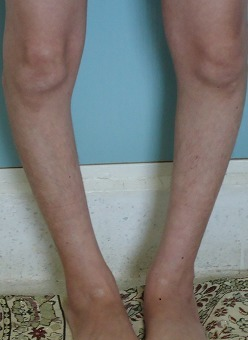
- Bowing of legs (Figure 1): genu varum
- Rachitic rosary
- Widened epiphyseal plates
Lab
- Elevated PTH, alkaline phosphatase
- Low Ca2+
Pathophysiology
Physiological Blurb: Vitamin D Synthesis
Endogenous vitamin D (VitD): from UVB
- UVB rays stimulate conversion of 7-dehydrocholesterol into cholecalciferol/D3 in the stratum spinosum/basale
- In the liver, this is then converted to 25-hydroxycholcalciferol via VitD-25-hydroxylase
- Then transported to the kidneys, where can finally synthesize active form of VitD calcitriol/1,25-dihydroxycholecalciferol via 1-alpha-hydroxylase)
Exogenous VitD: fish olive oil, egg yolk, fortified in dairy products
Chronic kidney/liver disease or injury leads to higher rates of deficiency of VitD (since many of the processes occur in these organs)
- Lower concentrations of VitD lead to decreased Ca2+ absorption in the SI, increased PTH (increased bone turnover, decreased matrix deposition)
- Osteocytes secrete fibroblast GF 23, inhibiting resorption of phosphate in kidneys, leading to decreased bone mineralization
Treatment
Addressing VitD deficiency (Gold standard)
VitD supplements: Ergocalciferol (Vit D2) or cholecalciferol (D3; preferred)* orally
Calcium supplements: calcium carbonate/citrate
 Amytomically
Leave a comment