

Erysipelas (St. Anthony’s Fire)
Info & Pathophysiology
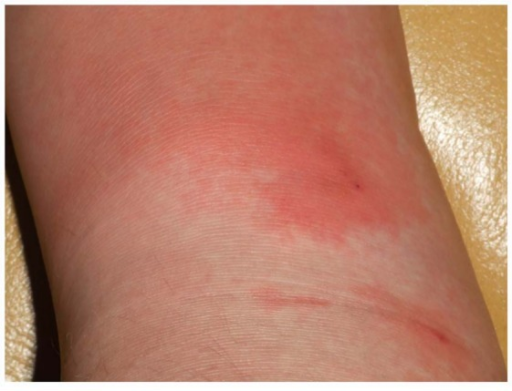
What is it?
Nonpurulent, upper dermal infection (can affect superficial lymphatics), with defined borders; mostly affects lower extremities/face as worsened blood circulation and thus diminished movement of antibodies and immune factors
Acute and abrupt onset
Risk Factors: excising saphenous vein, lymphatic edema or obstruction, arteriovenous fistula, immunocompromised
Clinical presentation: erythematic raised rash; bullae if more extreme, milian’s ear sign (helps differential diagnosis between cellulitis, as ear does not have deeper dermal tissues)
Blood work: leukocytosis, elevated ESR/C-reactive protein
Pathophysiology:
- Streptococci mediated infection
- Group A beta-hemolytic/GABHS: facial
- Non Group A: extremities
- Infection via skin breaks (insect bites, ulceration, surgical incisions, venous insufficiency), colonizes lymph nodes, causing dermal edema
Differential Diagnosis: Erysipelas vs. Cellulitis
Erysipelas
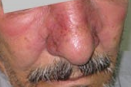
Infectious agent: most common agent is Group A Strep
Infection depth: limited to upper dermis and superficial lymphatics
Course of onset: acute and abrupt onset
Lesion characteristics: always nonpurulent, clear demarcation and often raised
If involves ear, will present with Milian’s Ear Sign
Cellulitis
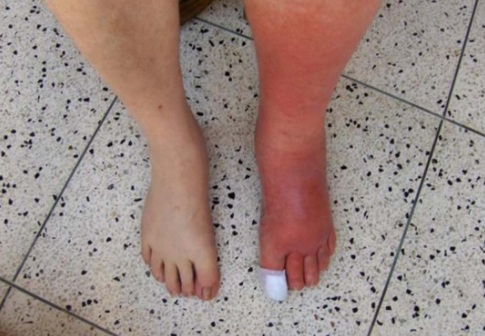
Infectious agent: Strep and S.aureus in equal incidence
Infection depth: infection extends all the way to deeper dermis and subcutaneous adipose tissue
Course of onset: indolent onset, slow development over a few days
Lesion characteristics: can be purulent (s.aureus) or nonpurulent (beta-hemolytic streptococci or MSSA), poor demarcation, no abscess or purulent discharge
Similarities
- Both are bacterial skin infections
- Both are erythematous, edematous, warm/hot to touch
- Almost always unilateral in lower extremities
- Similar risk factors (see above)
- Diagnosis is mostly clinical
Treatment
If present with abscess: incision & drainage with first line antibiotics
- GABHS: penicillin, amoxicillin, cefazolin, ceftriaxone
Hydration, cold compresses or other compression therapy to reduce swelling
 Amytomically
Leave a comment